Summary of Common Pitfalls in Ward Renovation Project Design Through our experience in multiple ward renovation projects, we have identified four prevalent design pitfalls: 1) Overemphasizing decorative elements while neglecting functional facilities, resulting in visually appealing yet impractical spaces with inefficient workflows, inadequate storage, and a lack of patient-centered rehabilitation environments; 2) Excessive focus on smart screen display functions at the expense of core medical
Through our experience in multiple ward renovation projects, we have identified four prevalent design pitfalls: 1) Overemphasizing decorative elements while neglecting functional facilities, resulting in visually appealing yet impractical spaces with inefficient workflows, inadequate storage, and a lack of patient-centered rehabilitation environments; 2) Excessive focus on smart screen display functions at the expense of core medical service values, failing to leverage digital tools for improving diagnostic efficiency, optimizing doctor-patient communication, and enabling data interoperability and remote collaboration; 3) Omission of professional evaluation and timely replacement of concealed infrastructure (e.g., electrical and pneumatic systems), which may lead to safety hazards, equipment malfunctions, or significantly increased renovation costs.
Furthermore, common issues such as insufficient consideration of the actual needs of different departments, lack of foresight into the future development of medical processes, and neglect of details like barrier-free design directly impact the practicality and sustainability of renovation projects.
Based on our years of dedicated research, we have compiled the following key design and implementation points for ward improvement projects, which can serve as valuable references for construction units still in the planning stage: Safety hazard facilities must be upgraded. This includes worn-out or internally aged structural components, electrical pipelines, fire protection systems, and outdated electrical safety monitoring systems. Particular attention should be paid to medical gas systems, as they are critical life support systems.
1.1 The oxygen station is recommended to adopt the XWLO2-PLM liquid oxygen level and pressure management interlocking control system
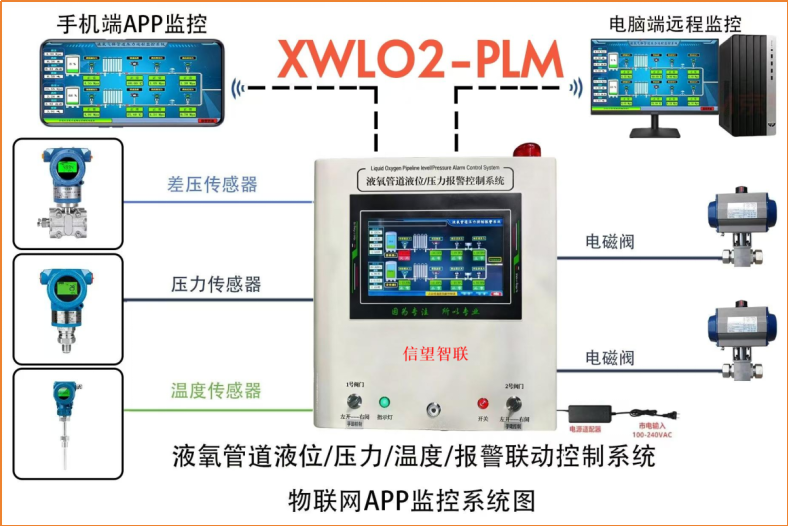
by Xinwang Zhilian.
1.2 The negative pressure suction station shall be equipped with an oil-free claw vacuum unit and exhaust gas sterilization treatment device. The station building shall be fitted with temperature and humidity monitoring systems, gas leak alarms, and fire protection and ventilation facilities, all compliant with the fire protection regulations for medical buildings.
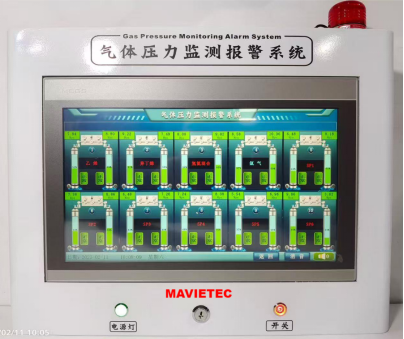
1.3 The gas pipeline system utilizes a high-precision centralized gas pressure regulator from the imported brand Mavietec, featuring remote pressure monitoring and alarm functionality.
2. Upgrading obsolete energy-intensive products: Many outdated air conditioners, bathroom fixtures, and electrical appliances are less energy-efficient than newer models. When upgrading, it's crucial to carefully evaluate the long-term value of this investment.
3. Process Optimization: The outdated design philosophy of existing medical workflows has resulted in some procedures lacking user-friendliness. Therefore, during the renovation and upgrade, it is essential to fully consider the medical process flows that align with the development of smart healthcare.
4. Harmonious integration of soft and hard furnishings: Aesthetic appeal is the most immediate perception for the general public, while a warm and homely atmosphere is the ultimate goal. The overall coordination of colors, styles, and signage for both soft and hard furnishings should create a refreshing and renewed impression. Special attention should be paid to fire prevention, sound insulation, and lighting.


